

Female Pattern Hair Loss
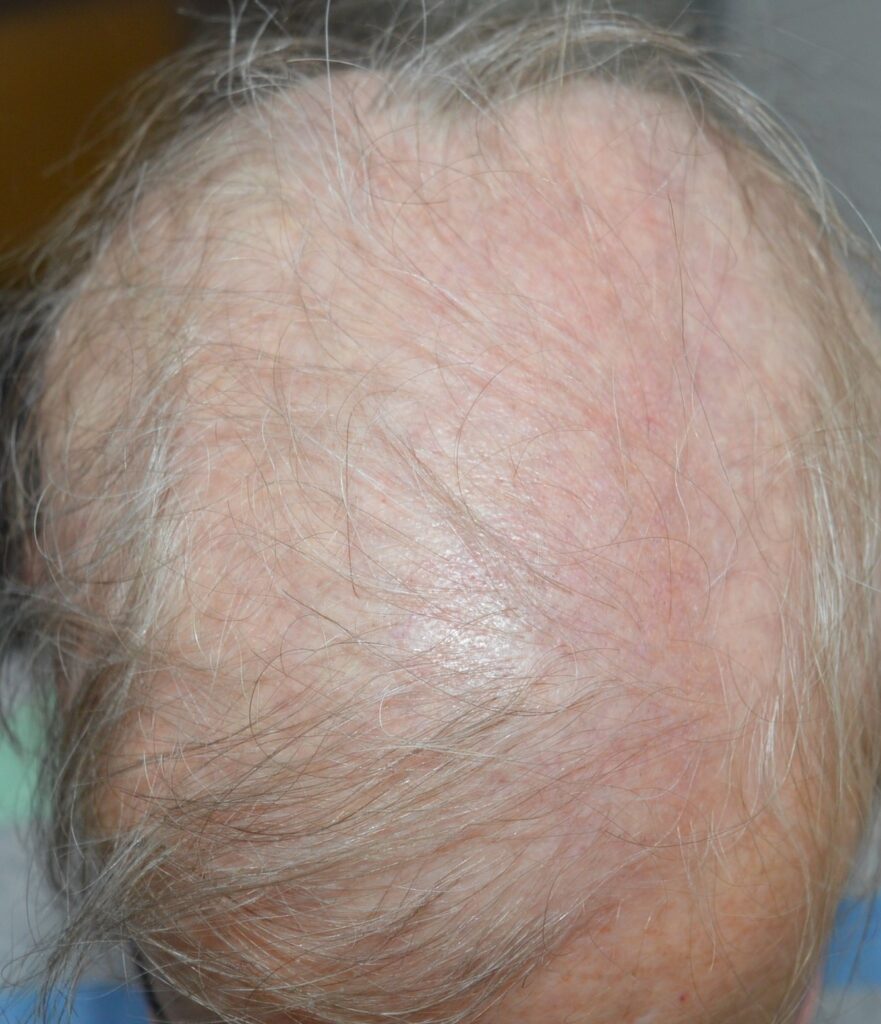
Female pattern hair loss (FPHL), also known as androgenetic alopecia, is the most common
type of hair loss in women. Female pattern hair loss has a later onset than male pattern hair
loss, usually occurring in the 50s or 60s. Occasionally, FPHL in women may start earlier, in
the 30s or 40s.
What causes female pattern hair loss?
Female pattern hair loss is caused by a combination of genetic and hormonal factors. The
hairs produced by the affected follicles become progressively smaller in diameter, shorter in
length and lighter in colour until the follicles eventually shrink completely and stop
producing hair. Female pattern hair loss can be associated with conditions in which
androgen (sex hormone) levels are elevated e.g., polycystic ovarian syndrome.
What are the symptoms and signs female pattern hair loss?
Female pattern hair loss is not associated with scalp symptoms. It is characterised by diffuse
thinning of the hair, mainly on the top of the scalp. The hairline is usually preserved. Hairs in
the affected areas initially become smaller in diameter and shorter compared to hairs in
unaffected areas, and eventually disappear altogether.
How is female pattern hair loss diagnosed?
Female pattern hair loss is a clinical diagnosis; in other words, it can be recognised by its
characteristic appearance and distribution.
How is female pattern hair loss treated?
The treatment of FPHL may include:
- Topical minoxidil
- Low-dose oral minoxidil
- Oral anti-androgen therapy e.g., spironolactone and bicalutamide
- Dutasteride micro-injections
- Platelet-rich plasma
- Hair transplantation

AA After
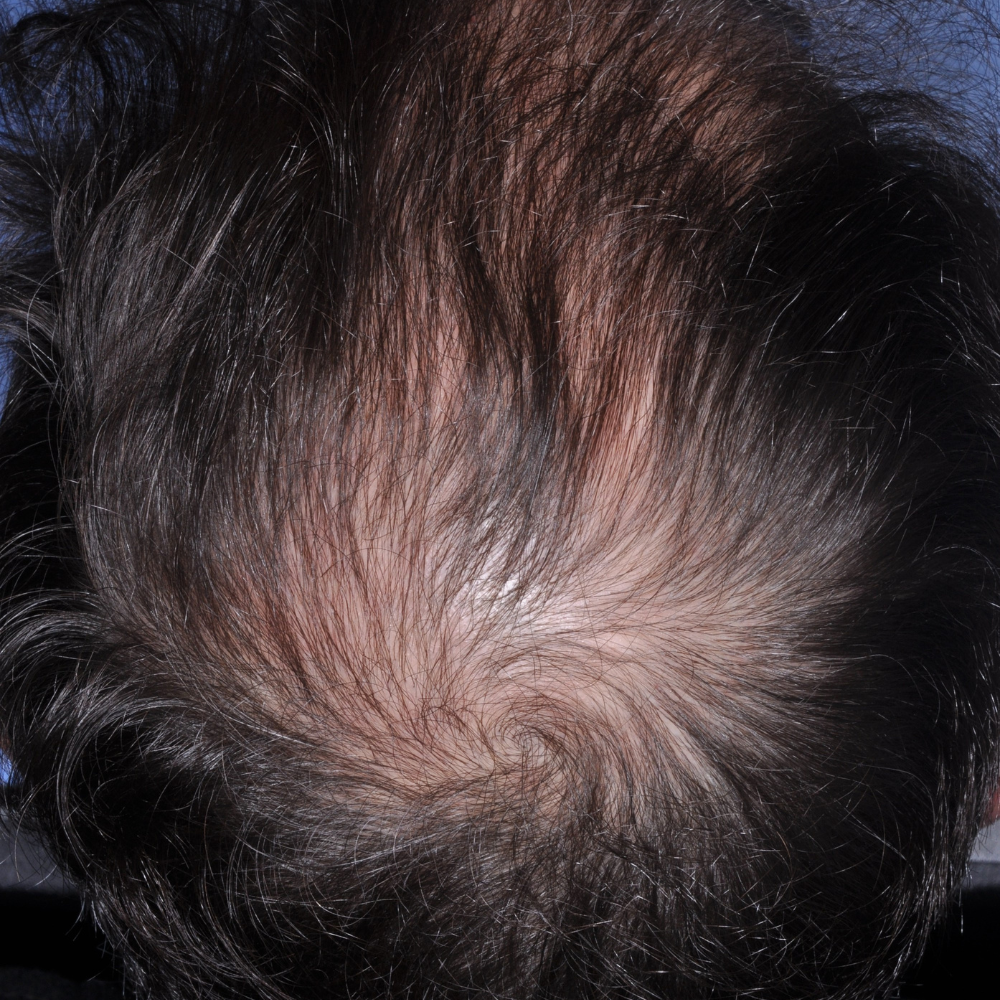
AA Before

AL After
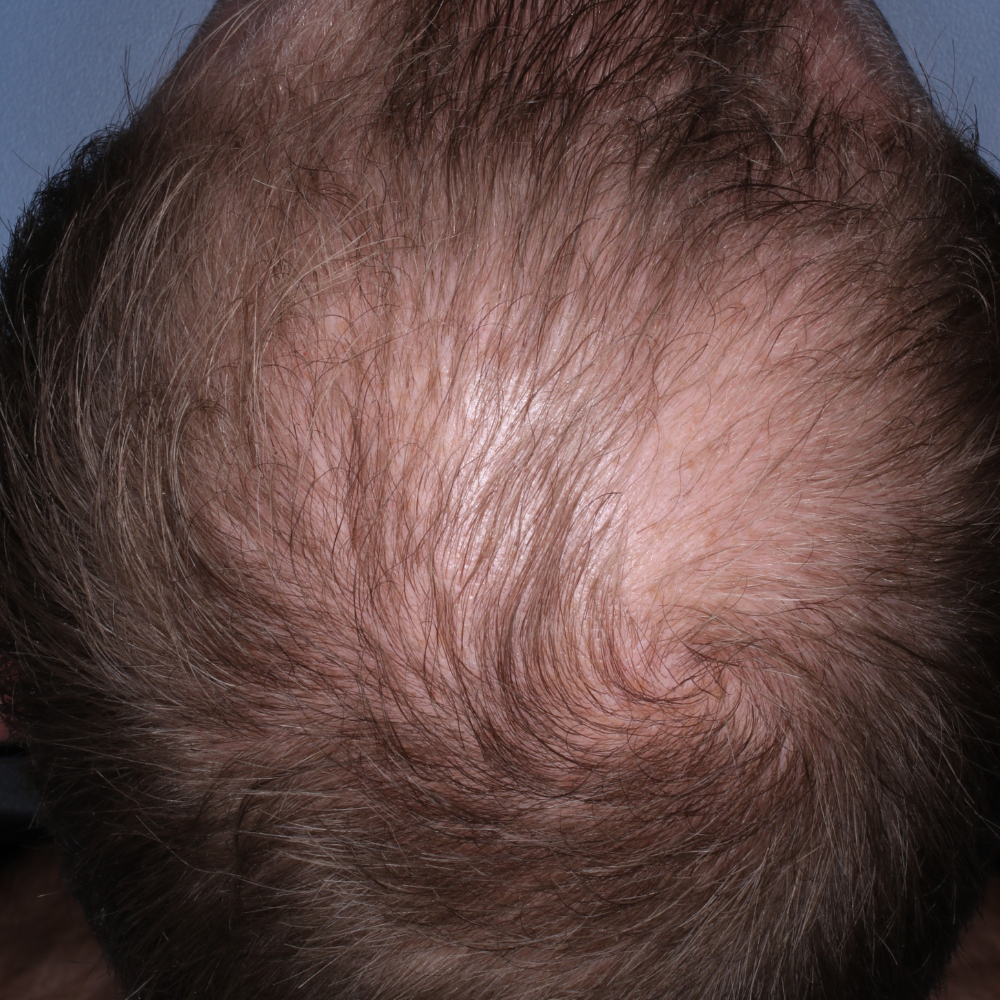
AL Before
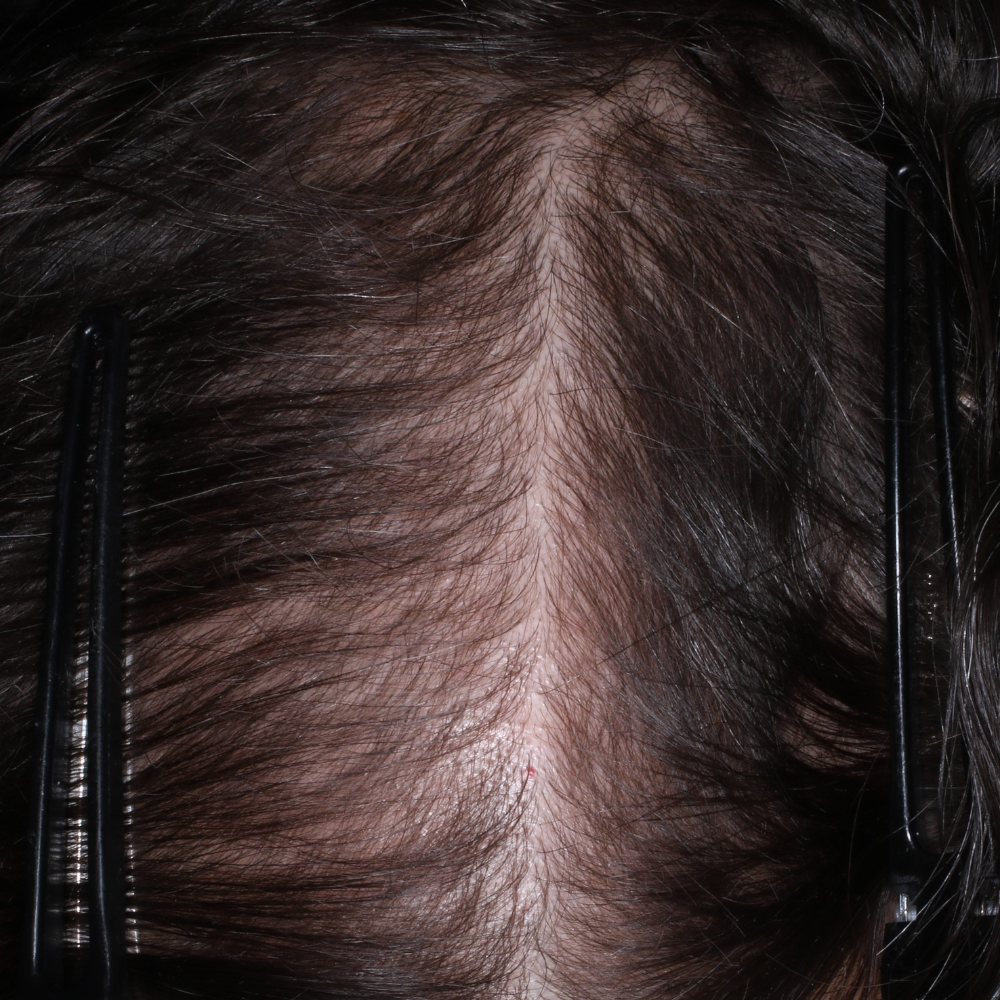
BB After
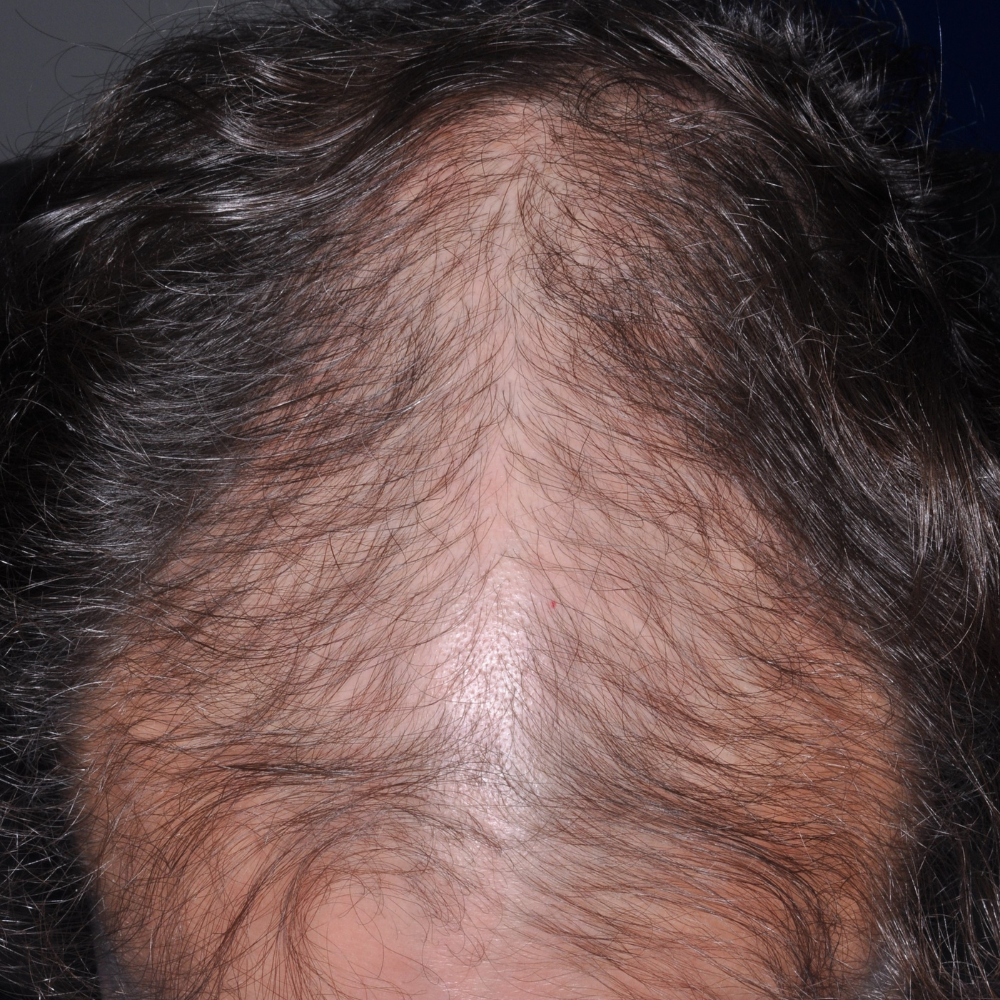
BB Before
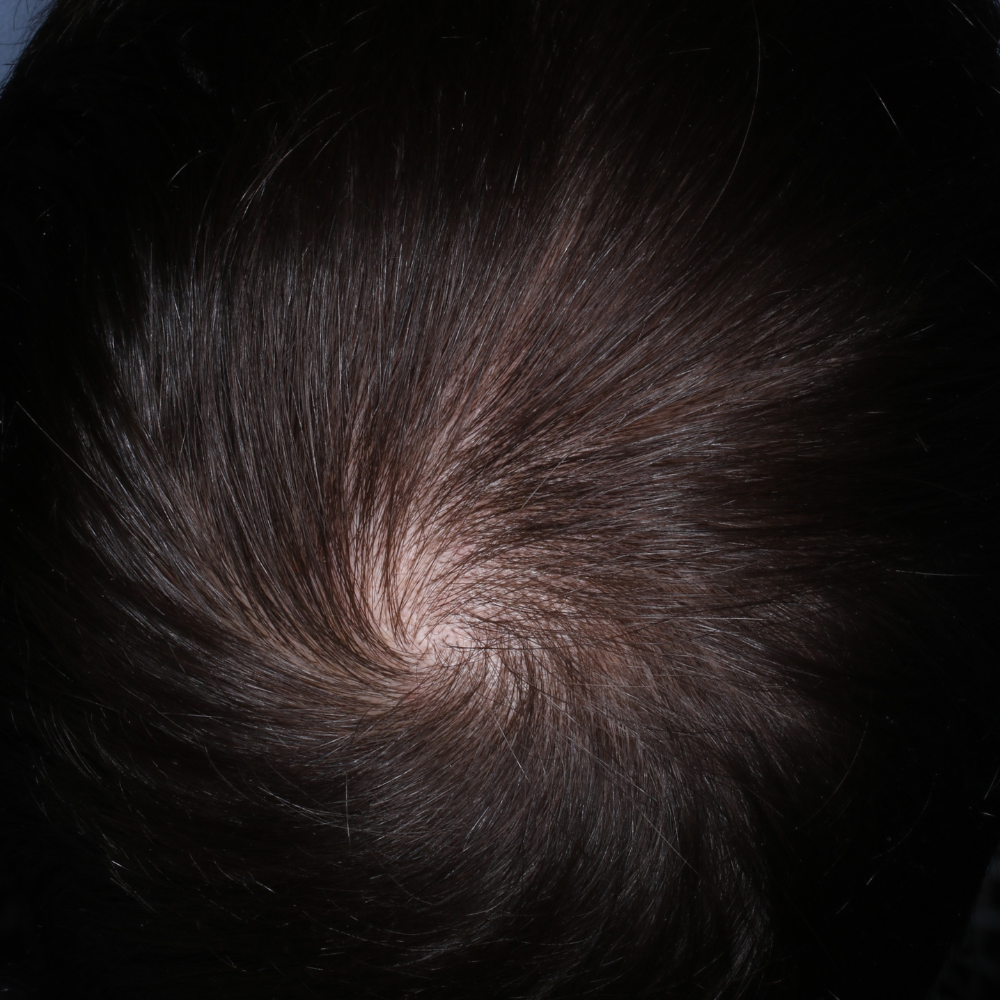
EF After
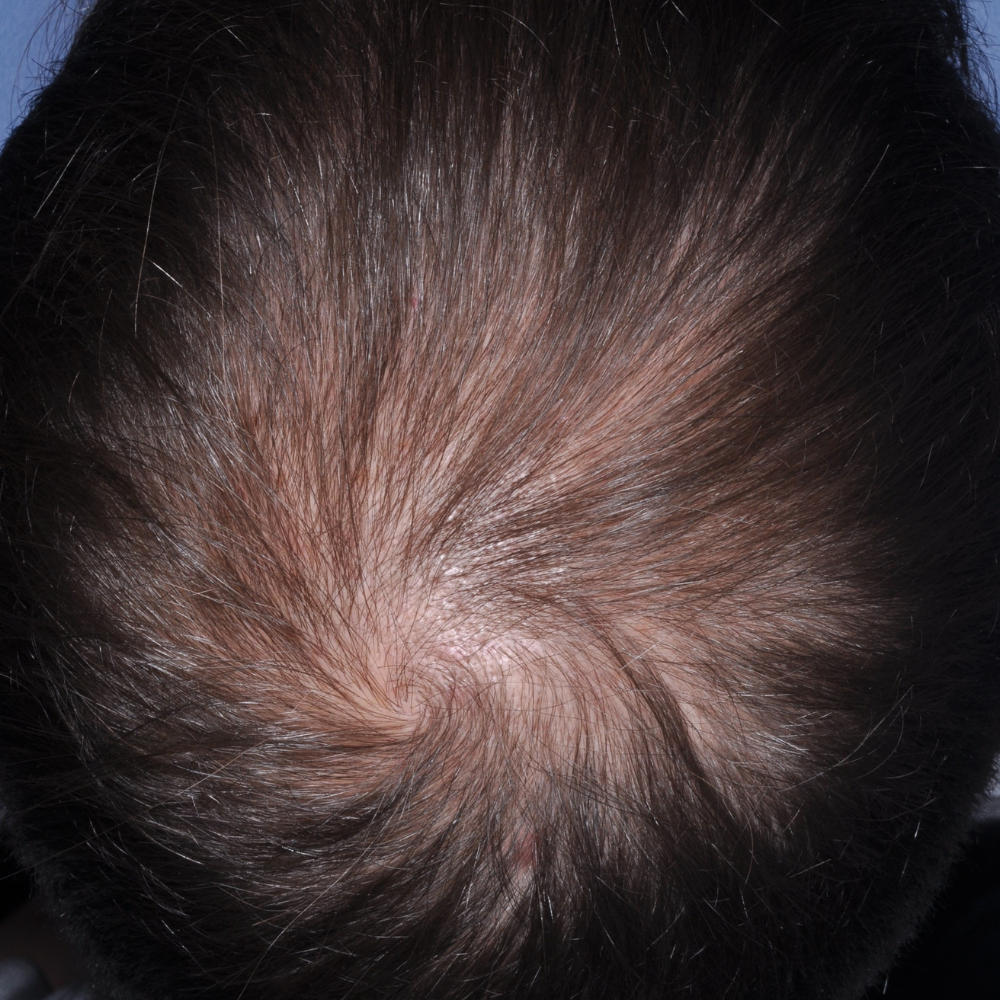
EF Before
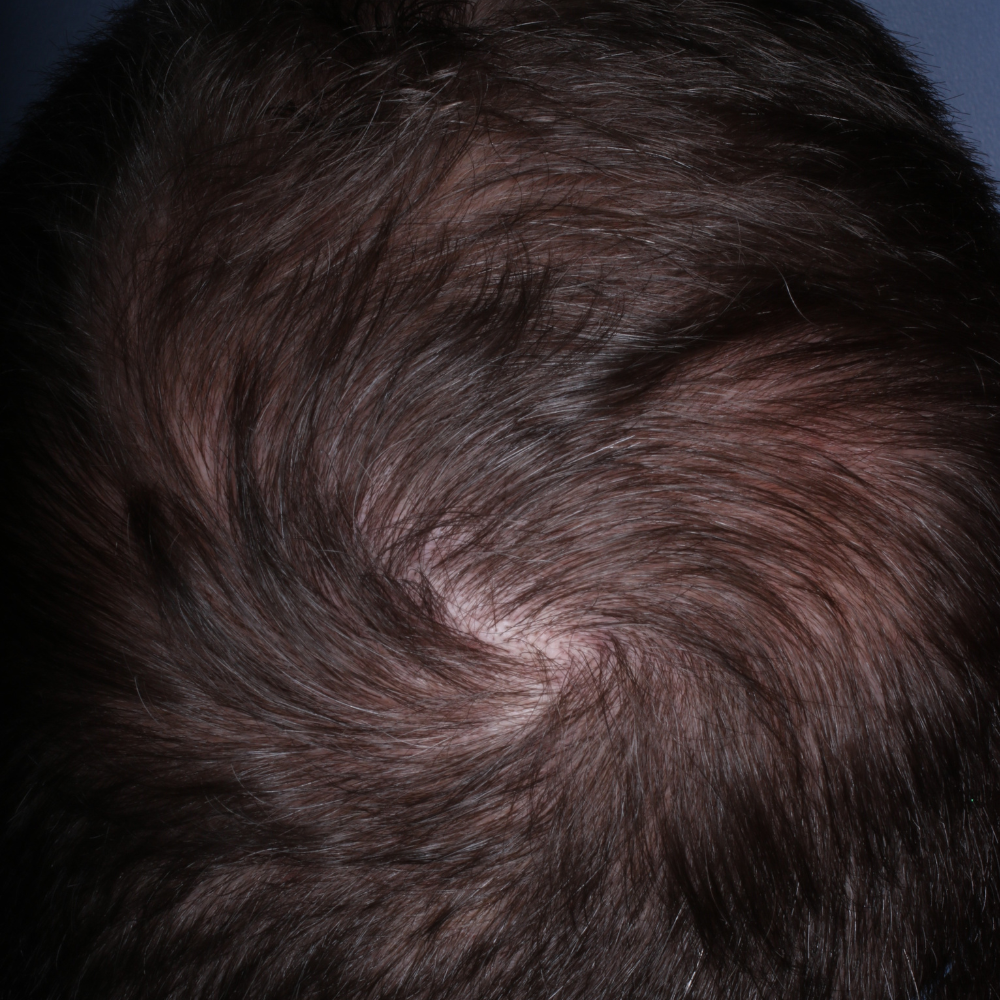
MP After

MP Before

MW After

MW Before
SOK After
