
Systemic Lupus Erythematosus
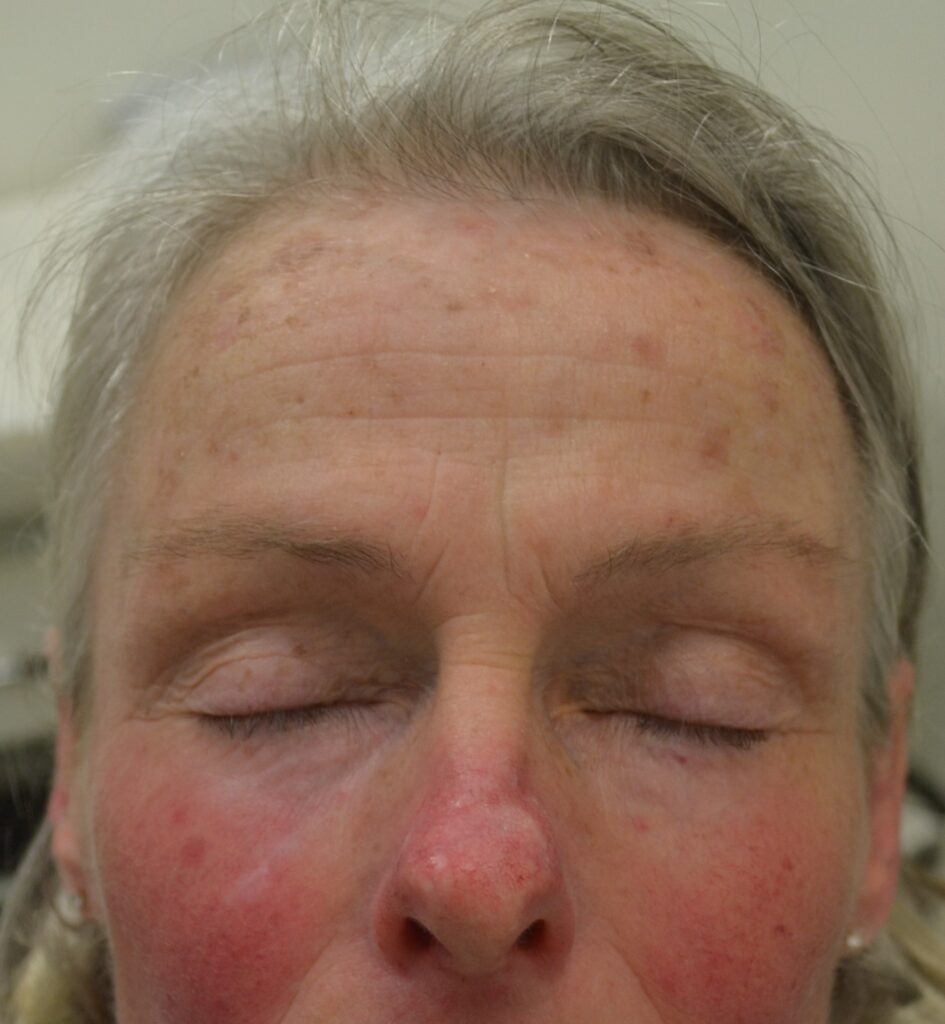
Systemic lupus erythematosus (SLE) is an autoimmune condition. Systemic lupus erythematosus may affect various organs such as the skin, joints, lungs, kidneys, blood vessels, brain or other parts of the body.
What causes systemic lupus erythematosus?
It is not known what causes SLE. Factors which have been implicated include:
- Genetic susceptibility
- Viral infections
- Sun exposure
- Drugs
- Hormones
What are the symptoms and signs of systemic lupus erythematosus?
Although many parts of the body can be affected, most people usually have involvement of only a few parts. The most common symptoms are:
- Joint pain and swelling, especially of the hands and feet
- Rash which is exacerbated by sun exposure
- Mouth ulcers
- Non-scarring hair loss
- Pale, blue or red fingers triggered by cold, stress, or illness (Raynaud phenomenon)
Possible complications of SLE can include:
- Swelling of legs and ankles (oedema)
- Inflammation of tissue around the lungs causing chest pain on inspiration and shortness of breath
- Inflammation of the lining of the heart (pericarditis)
- Fluid around the lungs, heart or other organs
- Seizures
- Kidney failure
- Miscarriage
How is systemic lupus erythematosus diagnosed?
If SLE is suspected, investigations may include:
- Blood tests e.g., inflammatory markers and autoantibodies
- Urinalysis
- Skin biopsy
- Lung function tests
- Imaging e.g., X-rays and computerised tomography scans
How is systemic lupus erythematosus treated?
The treatment of SLE may include:
- Sun protection
- Antimalarial drugs e.g., hydroxychloroquine
- Oral corticosteroids
- Systemic immunosuppressants e.g., azathioprine, ciclosporin and methotrexate
- Intravenous immunoglobulin
- Biologics e.g., rituximab and belimumab
Systemic lupus erythematosus (SLE) is an auto-immune condition. SLE may affect various organs such as the skin, joints, lungs, kidneys, blood vessels, brain or other parts of the body.
What causes systemic lupus erythematosus?
It is not known what causes SLE. It is believed to
be the result of a number of factors, including:
- Genetic susceptibility
- Viral infections
- Sun exposure
- Drugs
- Hormones
What are the symptoms and signs of systemic lu-pus erythematosus?
Although many parts of the body can be affected, most people usually have involvement of only a few parts. The most common symptoms are:

- joint pain and swelling, especially of the hands and feet
- a rash which is exacerbated by sun exposure
- mouth ulcers
- Non-scarring hair loss
- Pale, blue or red fingers triggered by cold, stress, or illness (Raynaud phenomenon)
Possible complications of SLE can include:
- Swelling in legs and ankles (oedema)
- Inflammation of tissue around the lungs causing chest pain on inspiration and shortness of breath
- Inflammation of the lining of the heart (pericarditis)
- Fluid around the lungs, heart or other organs
- Seizures
- Kidney failure
- Miscarriage
How is systemic lupus erythematosus treated?
The treatment of SLE may include:
- Sun protection
- Antimalarial drugs e.g., hydroxychloro-quine
- Oral corticosteroids
- Systemic immunosuppressants e.g., azathioprine, ciclosporin and methotrexate
- Intravenous immunoglobulin
- Biologics e.g., rituximab and belimumab