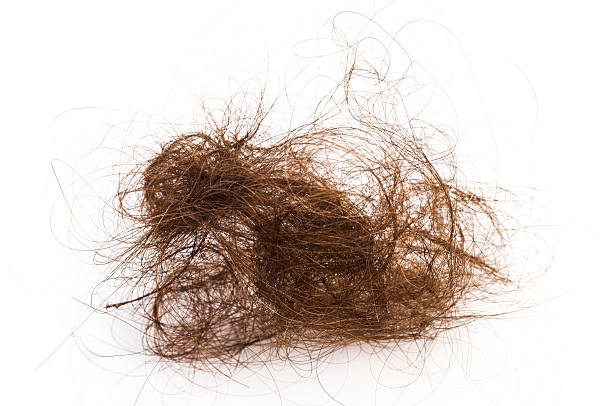
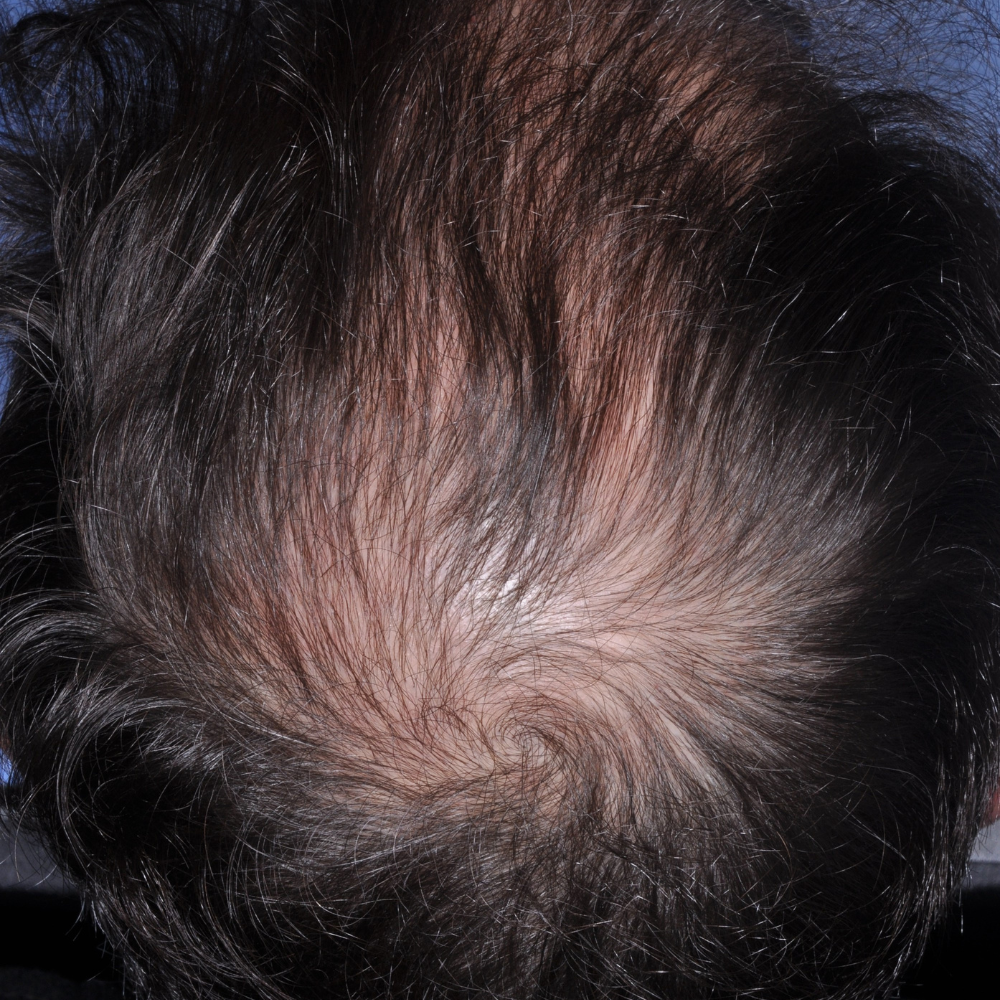
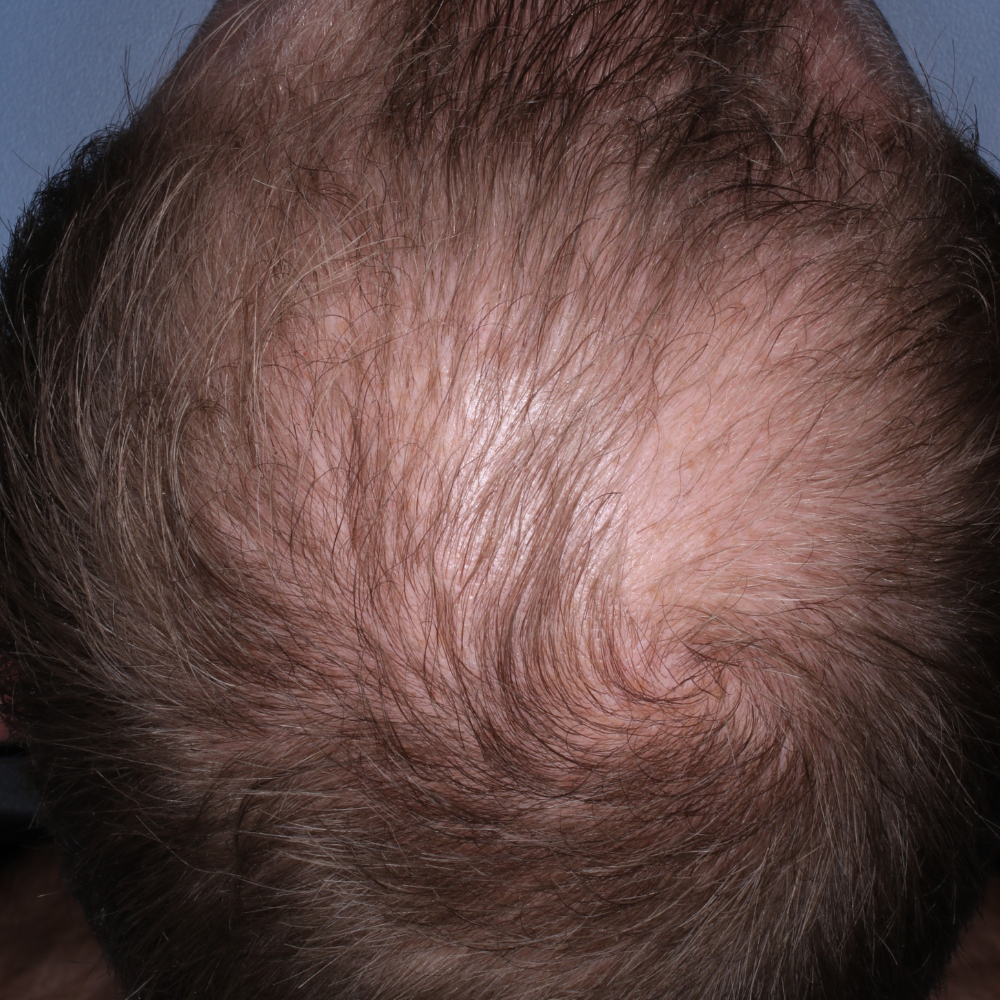
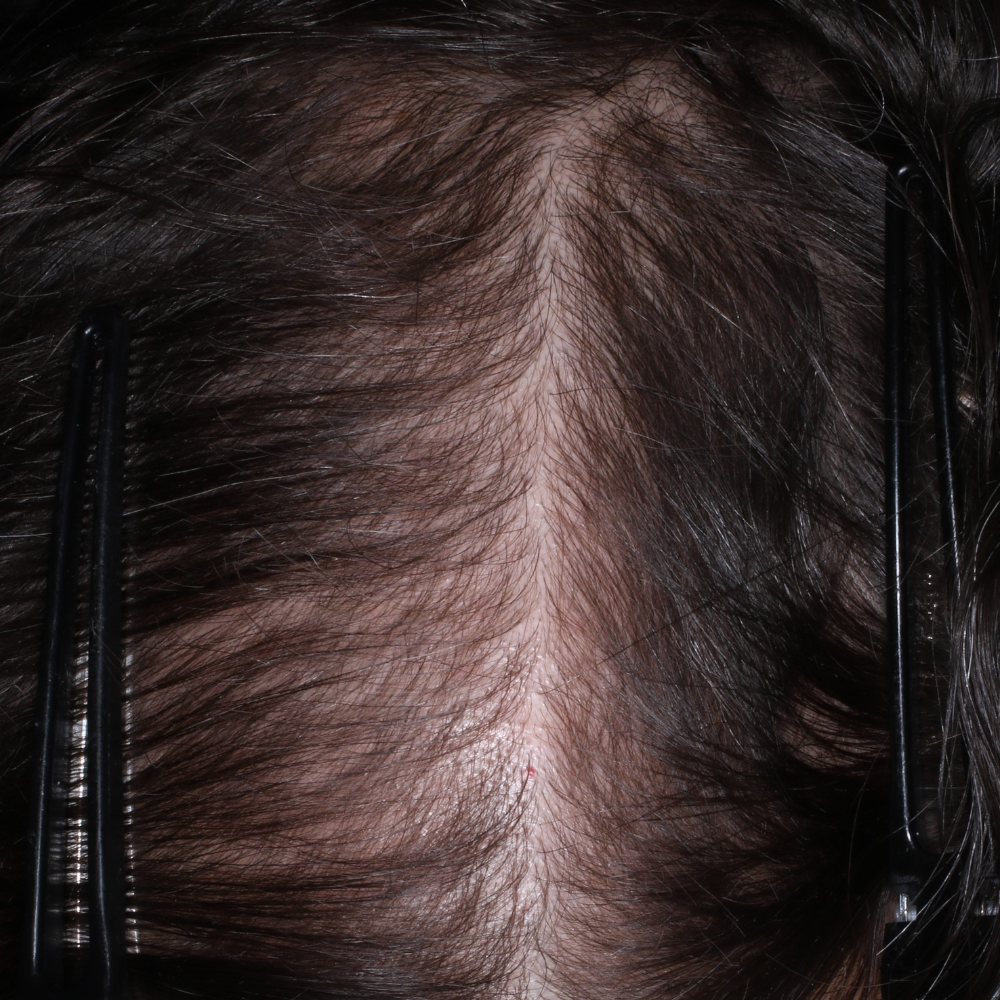
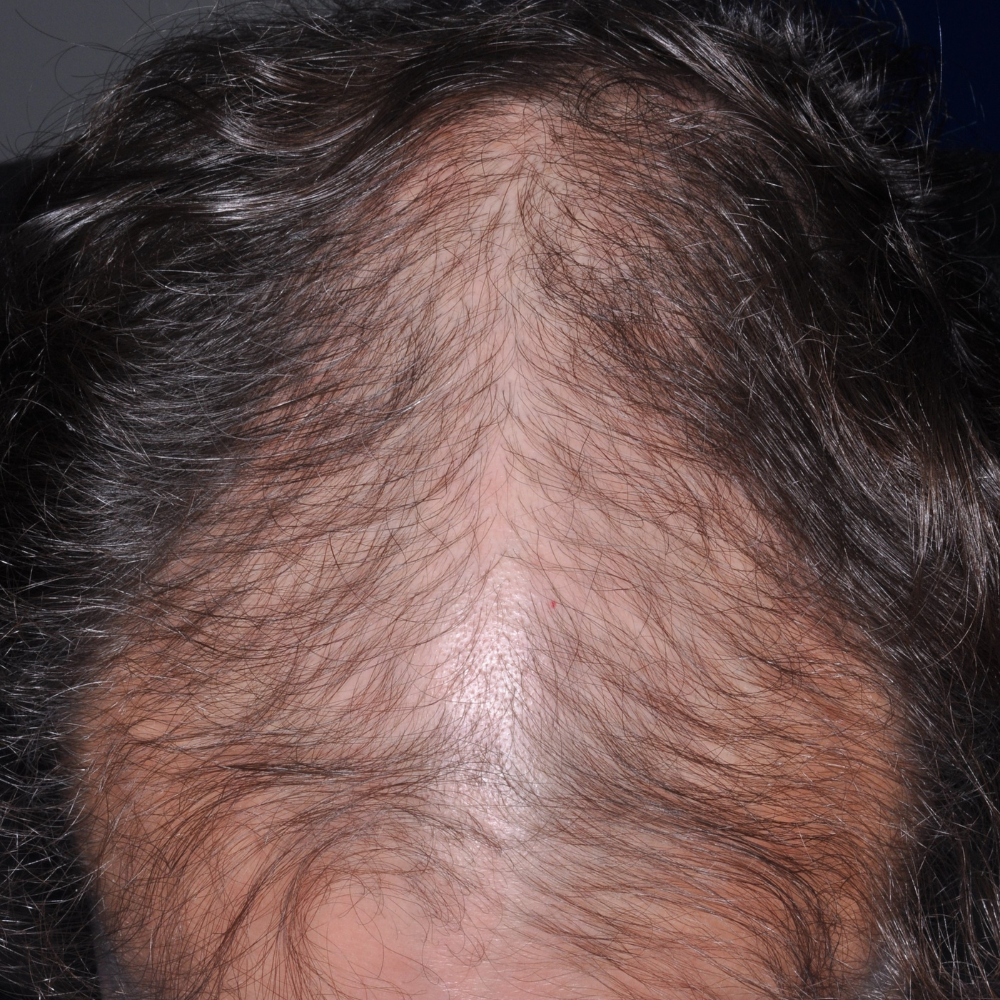
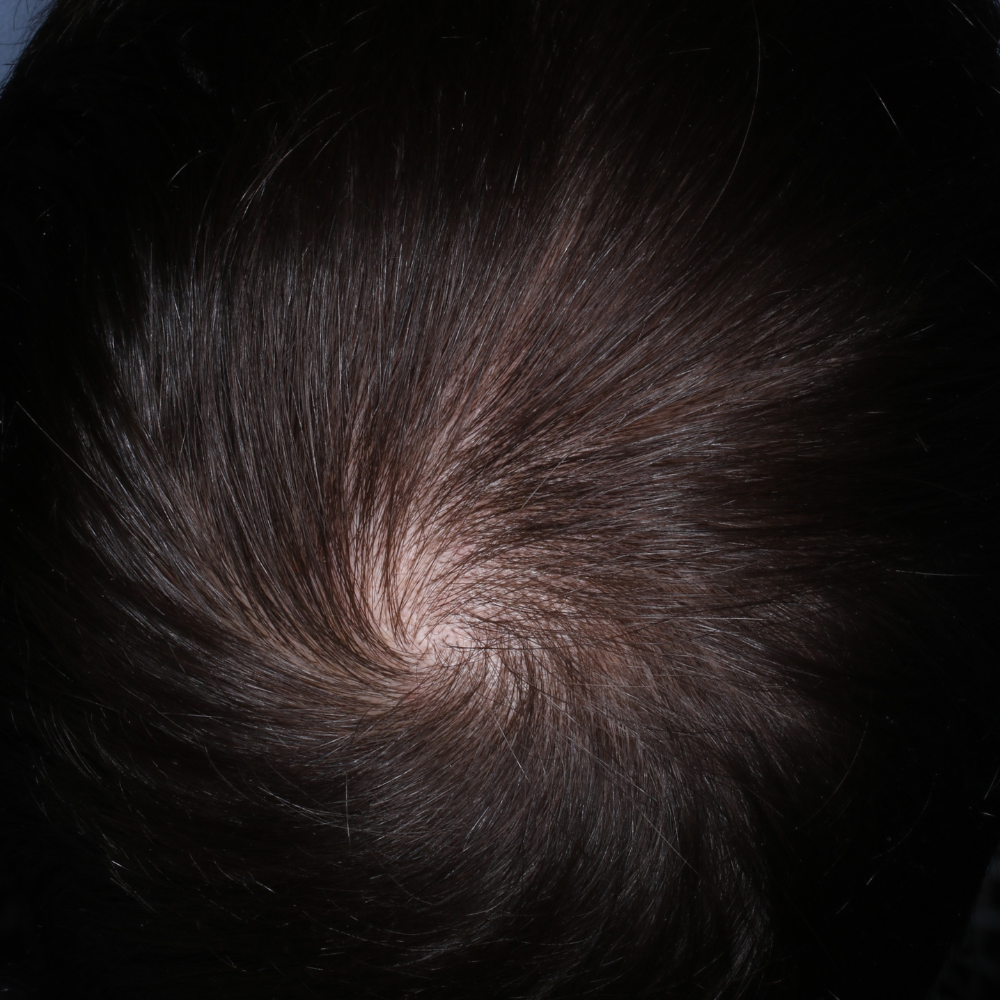
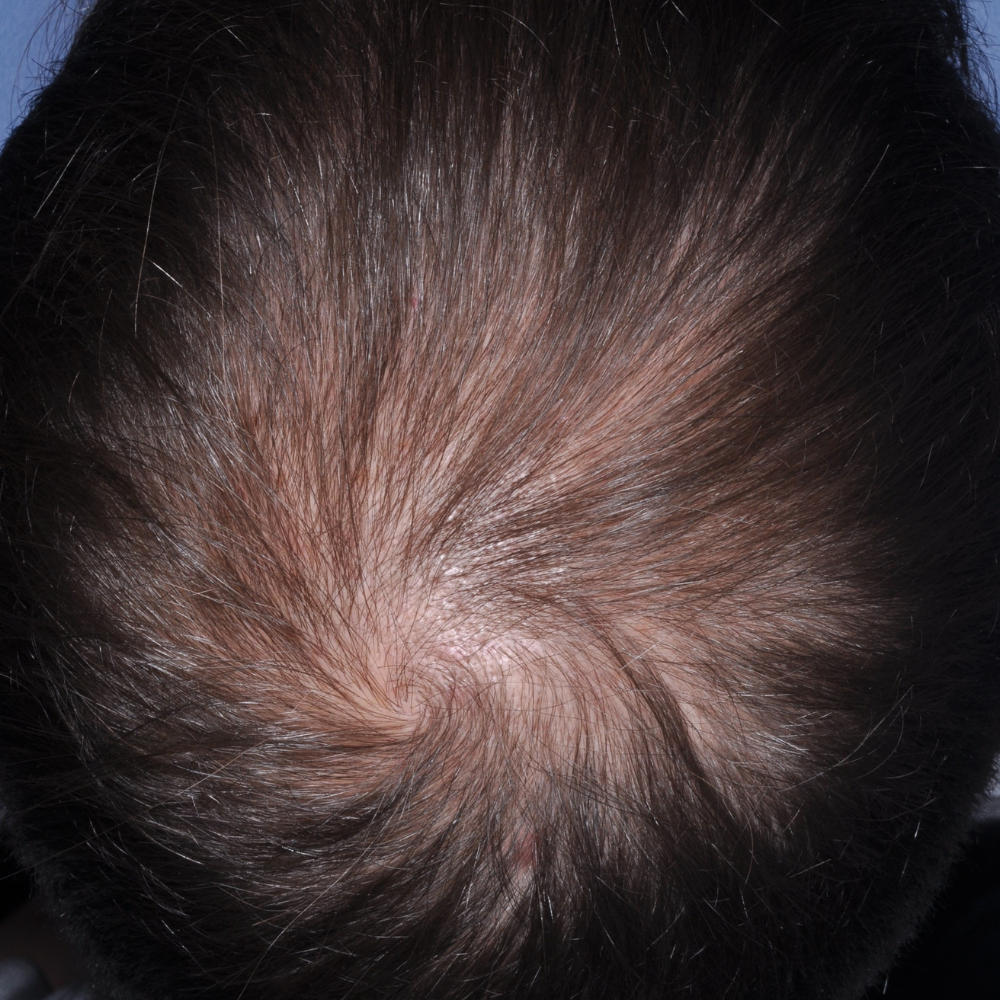
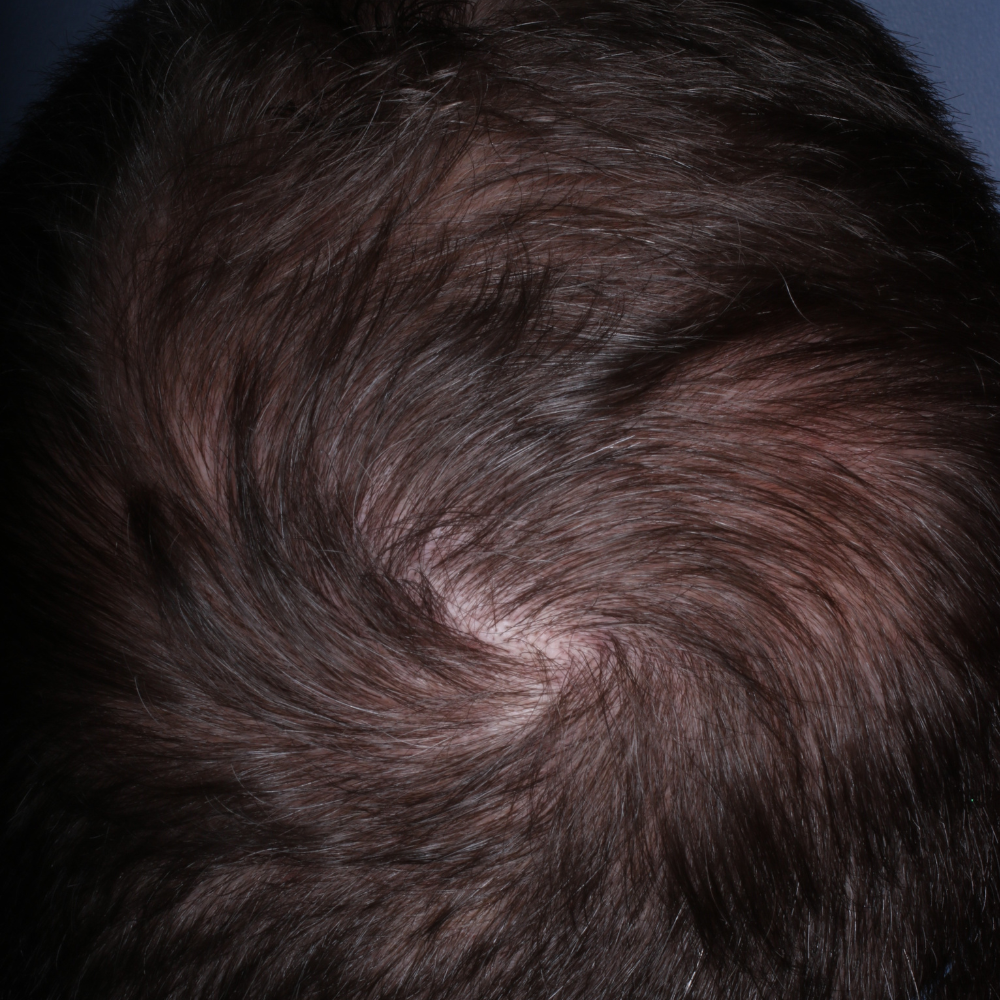
Shedding is a natural part of the hair growth cycle. On average, individuals lose approximately 50-100 hairs from the scalp daily.
Shed hairs are replaced by regrowing hairs so that the total number of scalp hairs remains
constant. Under normal conditions, only 10% of the hair on the scalp is in the telogen (resting) phase. In telogen effluvium, an increased proportion of hairs shift from the anagen (growth) phase to the
telogen phase. This results in a significant increase in hair shedding.
Acute telogen effluvium is defined as excessive hair shedding lasting less than six months. Generally, hair loss occurs 2-3 months after the triggering event. Acute telogen effluvium can be associated with a variety of insults which can be physical or mental in nature.
In around 33% of cases, the cause is unknown. Acute telogen effluvium usually undergoes remission in around 95% of cases. On the other hand, chronic telogen effluvium lasts longer than six months. Chronic telogen effluvium mostly affects women aged 30-60 years and has a prolonged fluctuating course.
What causes telogen effluvium?
Increased hair shedding in telogen effluvium occurs due to a disturbance of the normal hair cycle. Common triggers of acute telogen effluvium include:
Childbirth
Severe trauma or illness
Severe psychological stress
Rapid weight loss and extreme dieting
Severe skin conditions affecting the scalp
Drugs
Withdrawal of hormone therapy
What are the symptoms and signs of telogen effluvium?
Patients report increased hair shedding which is most apparent after washing or brushing.
Telogen effluvium is usually asymptomatic, but may occasionally be associated with
a painful sensation of the scalp (trichodynia).
How is telogen effluvium diagnosed?
Telogen effluvium is a clinical diagnosis; in other words, it can be recognised by its
characteristic appearance and distribution. Blood tests e.g., ferritin and thyroid function
tests may be necessary to identify the underlying trigger.
How is telogen effluvium treated?
Generally, no treatment is required as hair will regrow once the trigger is eliminated. Treatments which may alleviate excessive hair shedding include: