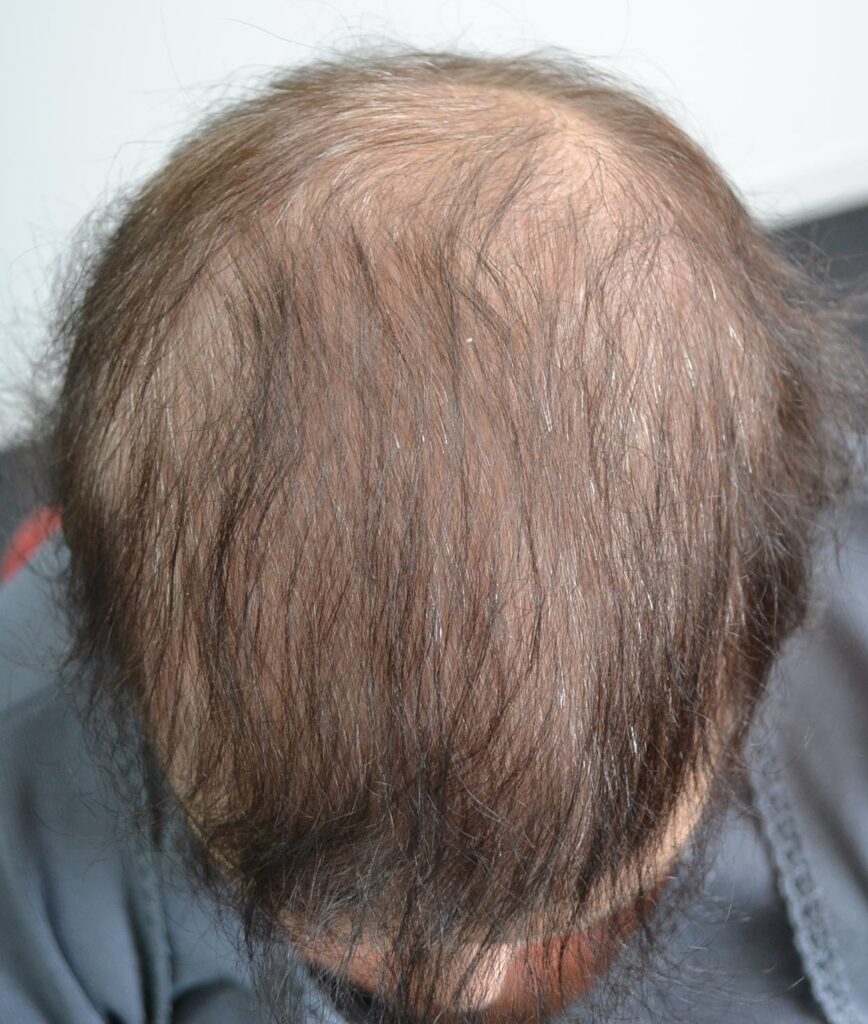
Alopecia is one of the most dramatic side effects of chemotherapy. Typically, hair loss begins 1-3
weeks after initiation of chemotherapy and is usually fully reversible, with complete hair regrowth
within 3-6 months of treatment cessation. However, persistent chemotherapy-induced alopecia
(pCIA), defined as absent or incomplete hair regrowth six months after completion of
treatment, can occur in a subset of patients.
What causes persistent chemotherapy-induced alopecia?
Initial reports of pCIA involved high-dose conditioning chemotherapy with busulfan and
cyclophosphamide for bone marrow transplantation. Subsequently, other agents e.g.,
melphalan and carboplatin have been implicated. The taxanes docetaxel and
paclitaxel, which are commonly used for the treatment of breast cancer, are up to eight times more
likely to cause persistent alopecia.
What are the symptoms of and signs persistent chemotherapy-induced alopecia?
Persistent CIA is not associated with scalp symptoms. Two main forms of pCIA have been described:
Diffuse alopecia: uniform hair thinning on the entire scalp
“Female pattern hair loss”: diffuse rarefaction of hair over the midfrontal scalp with
widening of the central part line and preservation of the frontal hairline
Rarely, pCIA can present with scarring alopecia. This is associated with itching, pain or burning and
results in irreversible hair loss.
How is persistent chemotherapy-induced alopecia treated?
Scalp cooling has been shown to significantly reduce the risk of developing pCIA. In patients
who have developed pCIA, treatments may include:
Topical minoxidil
Low-dose oral minoxidil
Oral anti-androgen therapy e.g., spironolactone and bicalutamide